Fostering Growth & Positivity: Building a Strong Workplace Culture
Why Workplace Culture Matters?
In recent years, Indian corporate culture has undergone a significant transformation, moving steadily toward greater inclusivity and employee-centric practices. Traditionally, hierarchical structures dominated workplaces. However, today, collaboration, transparency, and respect are increasingly shaping organisational values. As a result, companies are placing stronger emphasis on ethical leadership, employee well-being, and open communication. Consequently, this evolving Indian corporate culture is fostering resilient organisations that are better equipped to thrive in a dynamic global business environment.
A Culture of Respect
In today’s diverse and interconnected workplace, fostering a positive workplace culture is not just a moral imperative; it is, therefore, a strategic necessity. At the core of this effort, respect in the workplace is the cornerstone of a healthy organisational environment. However, recent videos that have surfaced on social media have exposed instances of disrespect toward employees. As a result, this has led to serious discussions about workplace respect. Social media, with its power to amplify voices and expose workplace realities, should be a compelling reason for companies to foster a productive workplace culture. In this context, the primary responsibility of cultivating a work environment where employees feel valued, appreciated, and heard lies mainly with HR professionals. The HR department should place strong emphasis on the significance of respect in the workplace. Ultimately, they should offer actionable strategies for leaders to foster and maintain a positive workplace culture.
The Importance of Respect
Respect is a multi-faceted concept that encompasses valuing everyone’s unique qualities, opinions, and contributions. At its core, it is the foundation upon which trust, collaboration, and a positive work environment are built. To better understand its importance, here are some compelling reasons why respect is crucial
Employee Engagement
When employees feel respected, they are more likely to be engaged and committed to their work. As a result, they feel that their contributions are valued and that they are an integral part of the organisation.
Retention
Similarly, a respectful workplace can have a significant impact on employee retention. When this culture is present, employees are more likely to stay with the organization and invest in their long-term growth.
Productivity and Creativity
Respect fosters a safe and open environment where employees feel comfortable sharing their ideas and taking calculated risks. Consequently, this leads to increased creativity and innovation.
Well-being
Respectful workplaces foster employee well-being by mitigating stress and conflict. In turn, this has a positive impact on both physical and mental health, leading to higher overall satisfaction.
Encourage Feedback
Equally important, organisations should create mechanisms for employees to provide feedback and raise concerns. By actively listening to their input and taking quick action, leaders can address issues promptly.
Recognition and Rewards
Moreover, acknowledging and rewarding leaders and employees who consistently demonstrate respectful behavior reinforces the importance of respect and incentivizes others to uphold these values.
Zero Tolerance for Bullying and Harassment
Above all, it must be made abundantly clear that bullying and harassment will not be tolerated. To support this, robust reporting and investigation processes should be in place to address complaints fairly and transparently.
Tips to Create A Positive Workplace Culture
HR professionals and leaders can nurture a culture of respect in their organizations by implementing the following practices:
Lead by Example First and foremost, leadership sets the tone for the entire organization. Leaders must consistently model respectful behavior, such as active listening, open communication, and fairness. When employees observe this behaviour, they are more likely to follow suit.
Establish Clear Policies and Values Additionally, clearly defined policies and values related to respect should be established and communicated consistently throughout the organization.
Training and Education Furthermore, organizations should implement regular training sessions on topics such as diversity, inclusion, communication, and conflict resolution. Importantly, training should be ongoing and tailored to the specific needs of the organisation.
Conclusion
Fostering a positive workplace culture is not an overnight achievement; rather, it is a continuous journey that requires dedication and commitment from every member of the organization. It is a journey worth embarking upon, as it leads to a more harmonious, productive, and successful workplace.
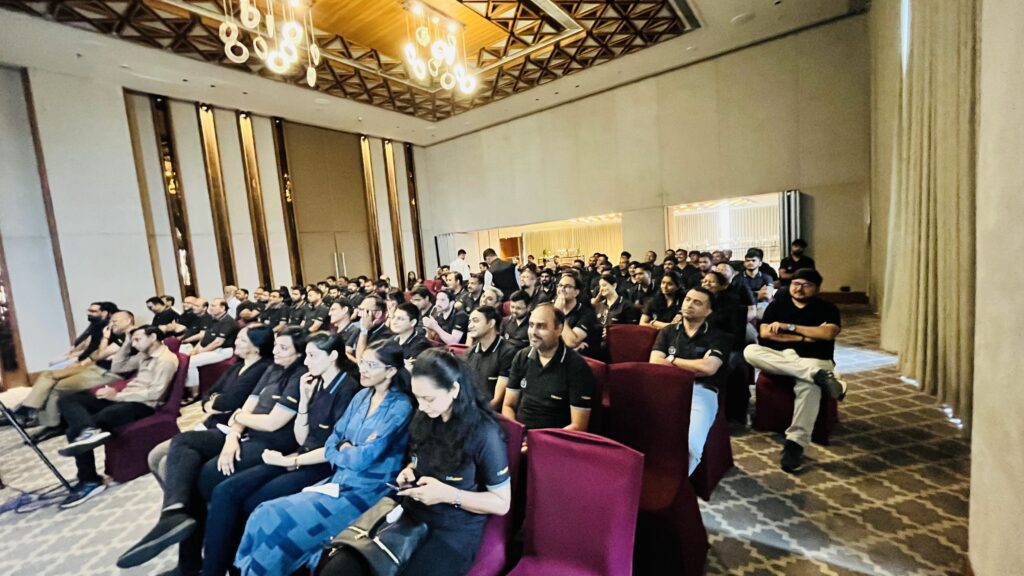
InSolare Energy has always taken this commitment seriously.
By making respect for a core value, engaging in regular closed-room interactions with employees, and investing in respect-focused training, the organisation ensures that employees are treated with dignity and consideration. As a result, we have cultivated a workplace culture where respect is not merely a buzzword, but a way of life.
Ultimately, respect remains on the bedrock of a thriving and resilient workplace.